

The noise spills out into the hallway before you even open the doors. Cheering, trash talk and the sharp echo of a whistle cutting through it all.
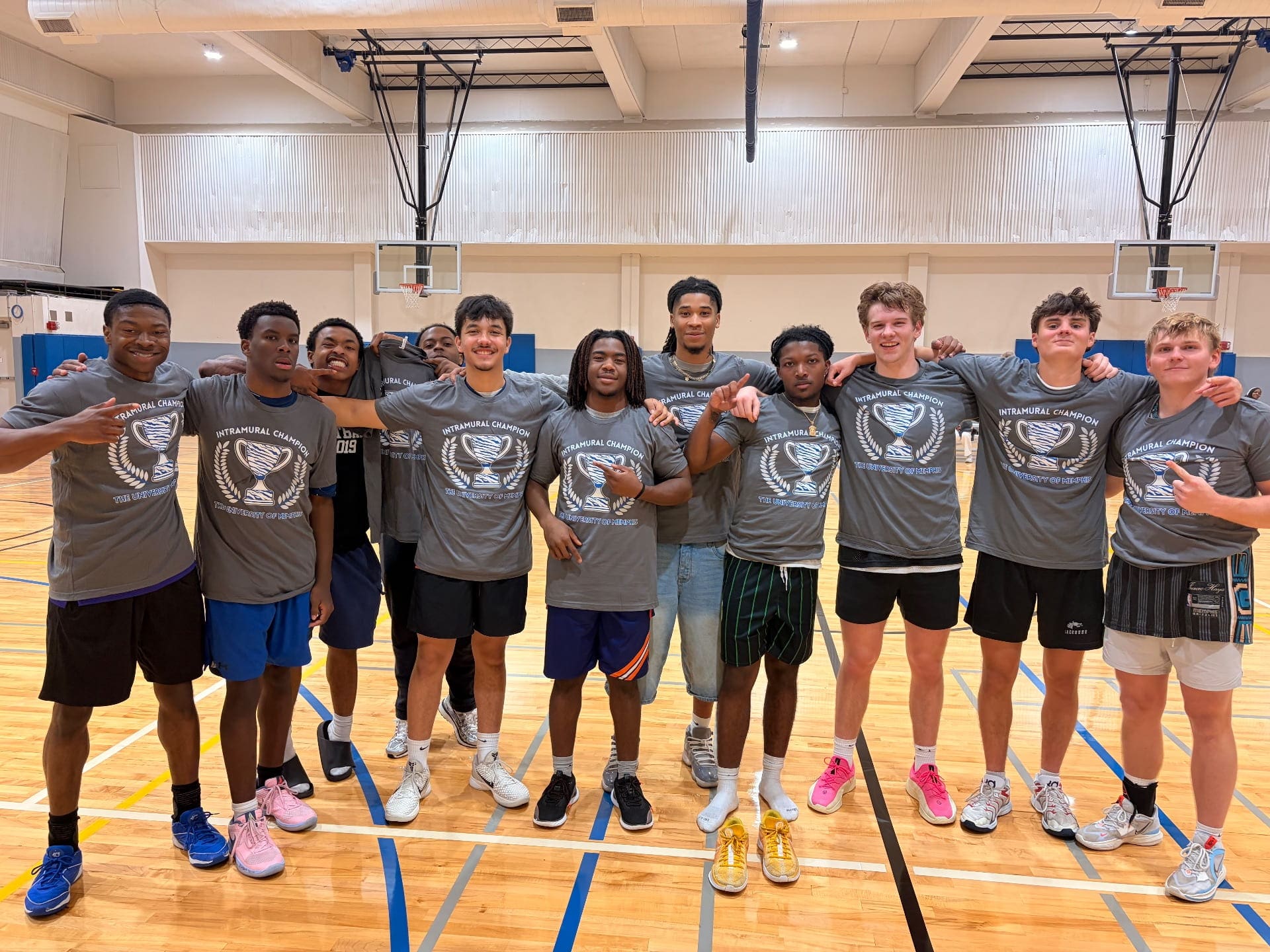
On a Thursday night in the middle of a busy Spring semester, just south of the R. Brad Martin Student Wellness Center inside the Student Recreation and Sports Complex, a packed set of bleachers watches an intense intramural championship basketball game unfold.
For an hour, it’s an escape — one that’s more than just a campus activity.
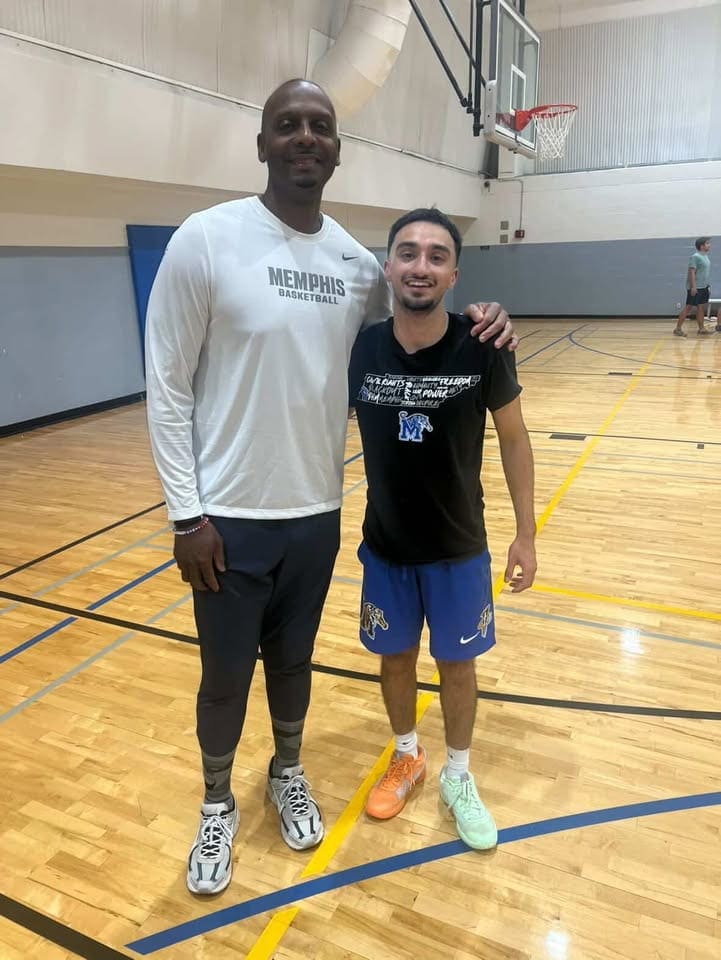
In a city where basketball is ingrained in the culture, that energy doesn’t disappear when high school sports end. Evenhead basketball coach Penny Hardaway has shown up, dropping in on a fraternity league intramural contest as bleachers filled, and treated it like something bigger than a game.
“We want to be a space for students to fill that competitive drive or just the sense of community,” Matthew Panagrossi, the competitive sports coordinator, said.
Where basketball draws the loudest crowds and biggest names, intramurals stretch beyond the hardwood. The UofM also offers flag football, softball, soccer, volleyball, racquetball, pickleball and more. Intramurals also offer less traditional sports like cornhole, dodgeball and Kan Jam, pulling in former athletes and those who may have never played an organized sport at all.
On some nights, the activity stretches far beyond one court. Basketball commands the gray gym, volleyball the bluegym. Intramural soccer coincides with a club rugby practice outside, as games and fans spill onto the tennis and pickleball courts in the northwest corner of the complex.
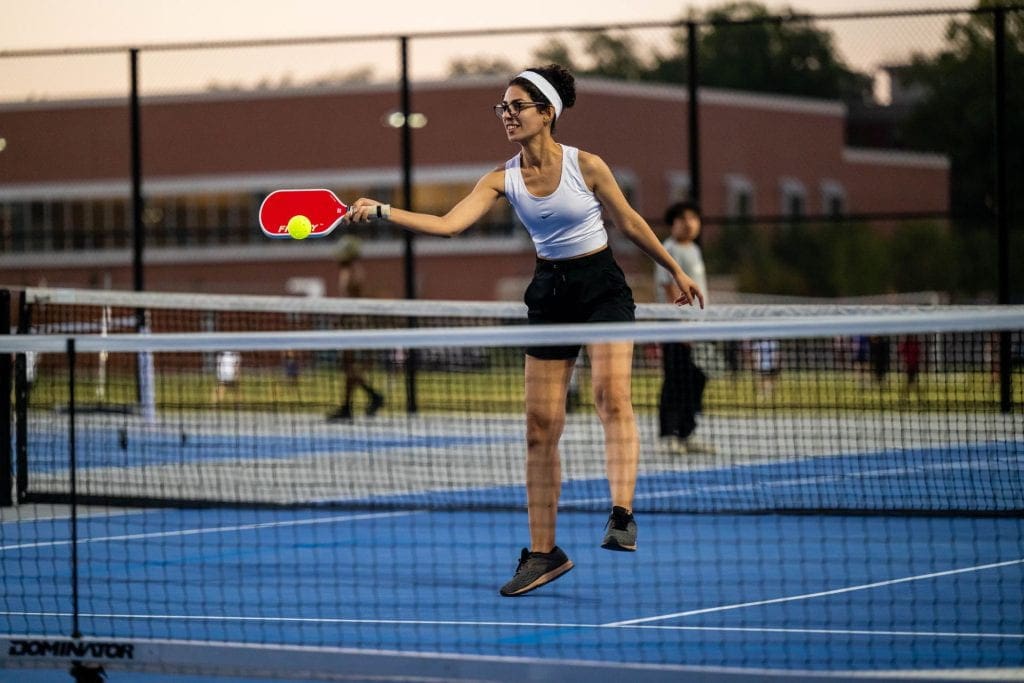
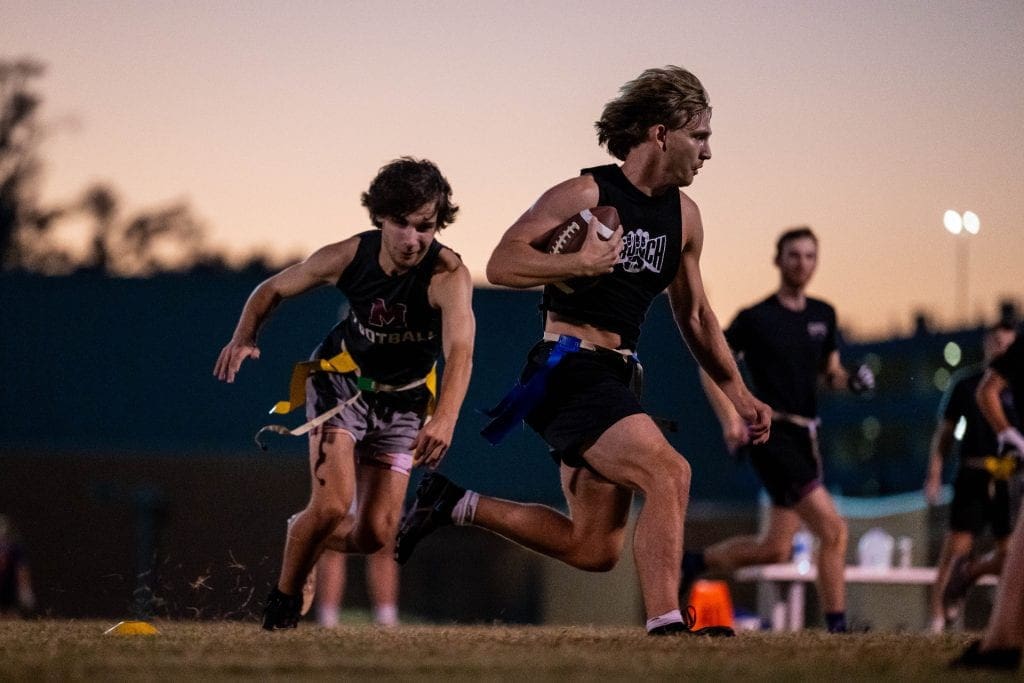
“We want to invite all people of all experience levels to participate,” Panagrossi said.
Anyone with a University of Memphis ID can participate. Students, faculty or staff. In some leagues, students can find themselves competing against professors or staff members of registered student organizations.
The goal, Panagrossi said, is simple: “give students more ways to stay involved.”
“Obviously, we know students want basketball. We know students want flag football,” he said. “But we just want intramurals to be a place for students to just enjoy their time being active.”
That enthusiasm extends into less traditional sports, too.
“One of the big things that I’m always hoping we can try to make work is inner tube water polo,” Panagrossi said.
Some students, however, don’t care about the variety. They just want to compete.
In high school, many students place a part of their identity in athletics. When they lose the sport they love, the competitive outlet that once defined them, they feel like they’ve lost a bit of themselves. According to Panagrossi, intramurals offer a way to hold onto an identity, even without varsity competition.
Inside the gym, the energy doesn’t dip. Big men dive for loose balls and guards celebrate with the hundreds of fans in attendance after hitting big threes. Everyone, not just the players, is invested in the festivities.
Intramural turnout at Memphis has surged this year — a growing community that has seen 219 teams compete, up from150 last year. The program has drawn 1,444 total participants and 785 unique players, both increases year over year.
That growth is felt beyond the numbers.
“Honestly, my college experience would look completely different if I hadn’t joined intramural sports,” said Carter Smith, an intramural student assistant.
Smith said intramurals gave him a sense of belonging early in his college career, connecting him with similar-minded students and turning teammates into close friends.
For many groups, the stakes go beyond the final score.
“It’s a great way to be with your friends, work toward a goal in the end — winning a championship, winning a championship T-shirt,” Panagrossi said.
The shirts, inscribed with a tiger scratch and the words ‘Someone had to win. Might as well be me,’ become a small but lasting reminder of the season — something earned together.
The program also gives students a mental escape.
Between classes, jobs and long hours studying, intramurals offer a structured break — one that comes without academic pressure.
“It’s a great experience to just relax for a little bit in the sports atmosphere,” Panagrossi said. “I’ve been studying all day, but I need that break.”
For many, that hour is about more than staying active — it’s a way to reset before returning to the demands of campus life.
“At the end of the day, it’s not just about winning — it’s about enjoying the experience, playing with friends and being part of something fun,” Smith said.
Back inside the gym, the game winds down. Players slap hands after the final buzzer, exchanging quick “good games”before heading off the court. The noise that once spilled into the hallway begins to fade.
Some leave.
Others linger near the baseline, replaying the game’s biggest moments. Even staff members who weren’t scheduled to work stop by, drawn in by the atmosphere and retained by the community.
For many officials, intramurals become more than a campus job. It’s a tight-knit group that returns semester aftersemester, building familiarity with both the games and the people playing them.
The hallway quiets — but the reason for the noise remains.