

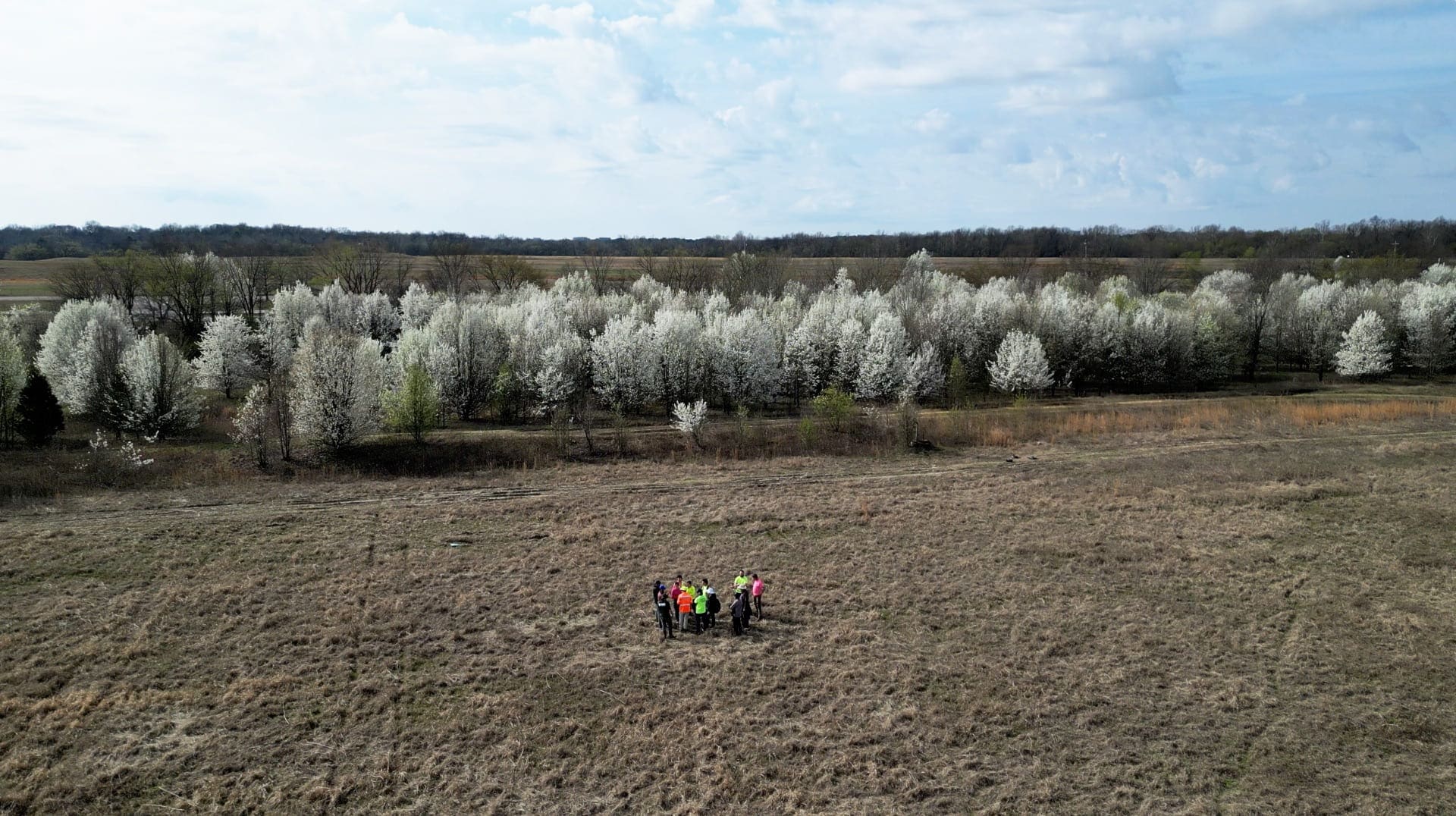
At Shelby Farms, science and art came together in a surprising way, turning a simple soil sample into something special.
What started as research to protect Memphis’ drinking water soon became a creative and scientific journey into natural clay.
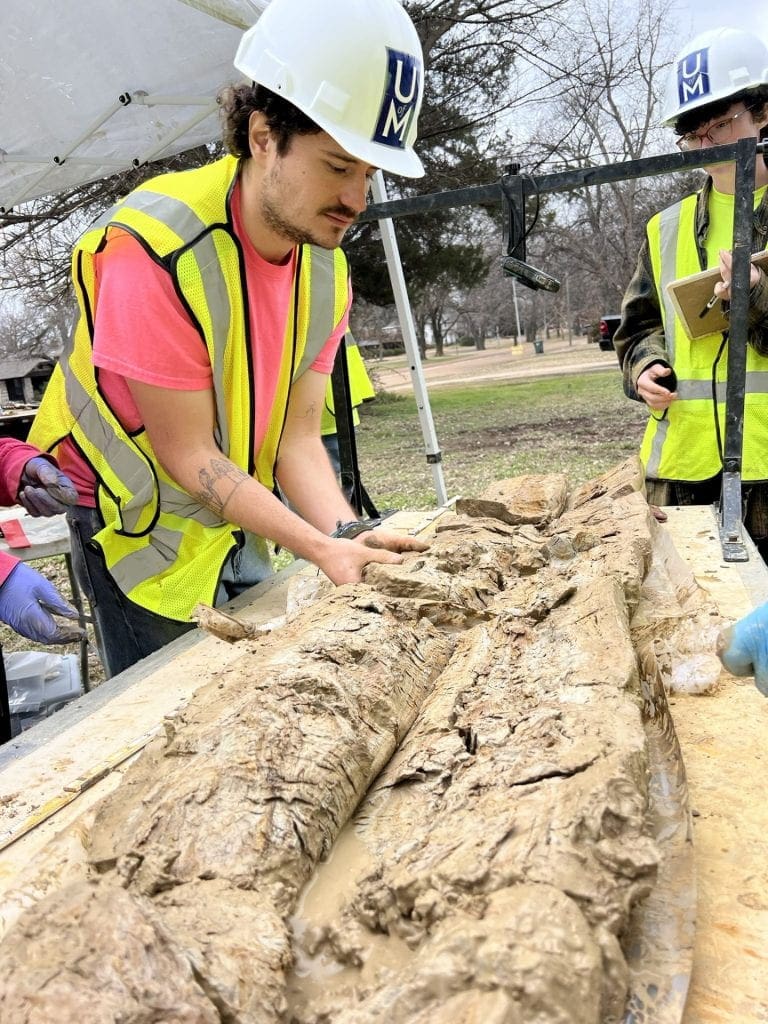
The University of Memphis’ Center for Applied Earth Science and Engineering Research (CAESER) is currently working on a five-year project researching the Memphis aquifer, the region’s primary source of drinking water. Part of the research is being led by CAESER graduate student Ivan Zamora Plaza.
His work focuses on understanding how water moves vertically from the ground surface through soil into shallow groundwater and ultimately into the Memphis aquifer. This research is critical for improving groundwater models and supporting decisions that protect this vital resource.
But there’s more to the clay’s story than just hydrogeology.
An Anthropological and Artistic Perspective
Maria Jose Castro del Valle, Zamora Plaza’s wife, is finishing her master’s degree in Applied Anthropology and a graduate certificate in Museum Studies at the UofM. In her last year, she took an independent course called Studies in 3D Media, where she explored the cultural meaning of ceramics, especially traditional clay practices in Mexico.
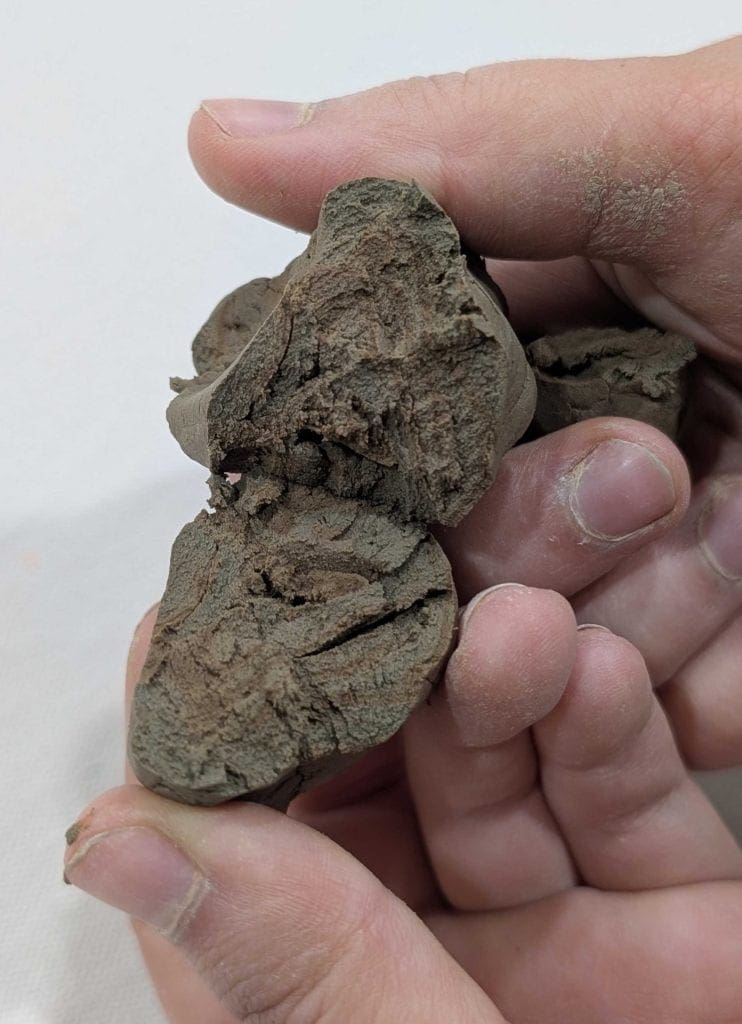
In many Mexican ceramic traditions, artisans use natural clays taken straight from the land. Inspired by this, Castro del Valle started researching and experimenting with “wild clay,” which is clay that hasn’t been commercially processed. When her husband told her about the Shelby Farms soil samples just 30 cm below the ground, she saw the connection right away.
Together, they wondered if this local clay could be tested not just as soil, but as a material for ceramics.
Guided by the Art Department
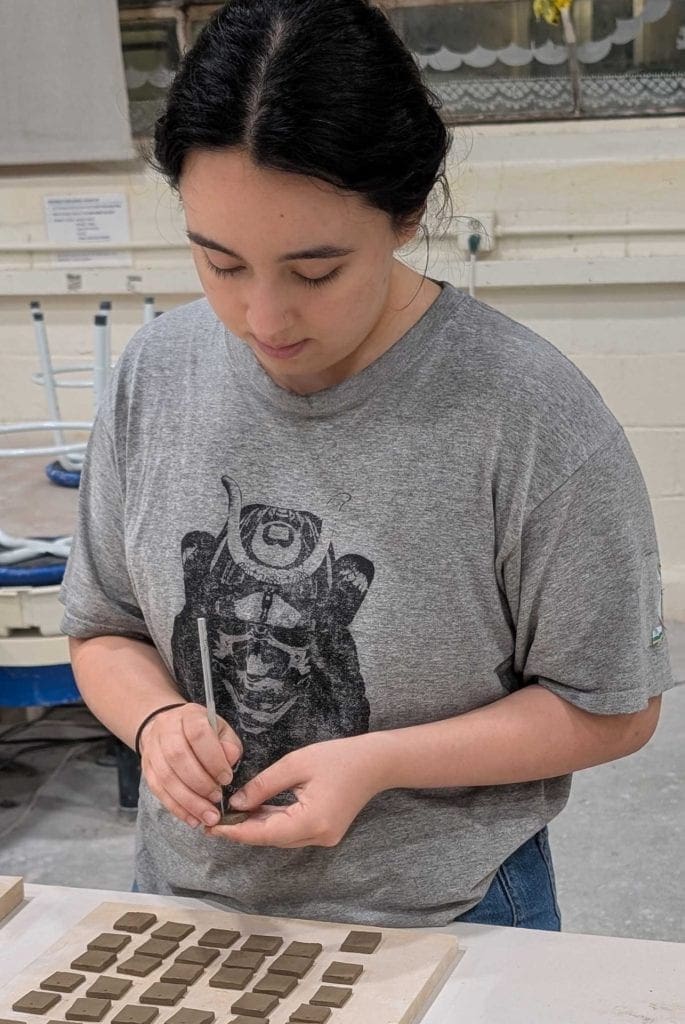
While the idea was collaborative, the technical approach was firmly rooted in artistic practice. The clay testing process, creating small tiles, firing them at increasing temperatures, carefully observing changes, shrinkage and surface effects, was guided by Christina “Cat” Traen, a professor in the University of Memphis Art Department and local artist.
From the beginning, Traen stressed the importance of working carefully and methodically. She encouraged the team to test first, observe closely and evaluate results before making larger pieces. With the right permissions, access to a kiln and support from the Art Department, they started firing the clay under controlled conditions.
The results surprised everyone involved.
A Clay That Defied Expectations
After the first firings went well, the clay kept performing impressively, even at Cone 6 (1222 °C), which is hotter than most natural clays can handle. People in the Art Department were impressed by how stable, strong and attractive the clay was.
Then Traen suggested something bolder: firing the clay even hotter, to Cone 9 (1260 °C).
Most natural clays would melt, warp or fall apart at such high temperatures. The team knew this might happen, but their curiosity pushed them to try anyway. They loaded the kiln.
Instead of breaking down, the clay changed in surprising ways. Its surface turned dark and metallic, with a natural shine that looked almost like a glaze. Even more impressive, it kept its shape. This was a rare case of wild clay acting like a professionally made ceramic material.
The soil was prepared and fired in a kiln at higher and higher temperatures.
Even at moderate temperatures, the clay proved strong and stable. As the heat increased, its performance became more impressive.
Nature’s Long-Term Refining Process
Why would soil collected so close to the surface perform so well? The answer likely lies in the site’s natural history.
For thousands of years, floods along the Wolf River have brought sediments to this area. Over time, the material in floodwater sorted the fine-grained silicates and refractory minerals that built up. Nature slowly refined the material, doing the kind of work people usually do with machines, additives and lots of testing.
The result is a clay that is unusually balanced and stable.
More Than Just Clay
This moment — when geological research, cultural tradition and studio work came together — showed the heart of human curiosity.
The clay’s surprising performance was more than just a scientific result or an artistic win. It was the product of teamwork across different fields. For Zamora Plaza, the clay shows why Shelby Farms is such a valuable place to study how water moves underground in ways that can be measured and understood in real time. For Jose Castro del Valle, it links academic research to cultural traditions and material heritage. For the University of Memphis Art Department, it shows how local landscapes can inspire creativity in the studio.
This project shows that science and art do more than just exist side by side; they help and strengthen each other. At the University of Memphis, careful observation, creative thinking, and teamwork across fields turned soil into new knowledge and a small experiment into a shared discovery.