
At the University of Memphis, sustainability is more than a campus initiative. It is an expanding ecosystem of research, workforce development and community partnerships designed to prepare students for the environmental challenges of tomorrow.
“Everything’s connected,” said UofM sustainability manager Amelia Mayahi.
Across campus, sustainability efforts range from food recovery programs and recycling infrastructure to conservation initiatives and alternative transportation efforts. Together, these programs create opportunities for students to engage with sustainability not only as a concept, but as a career pathway.
One key driver of that work is the Institute for Agricultural and Conservation Research and Education (ACRE).
“Research is better when it’s interdisciplinary,” said Dr. Jennifer Mandel, director of ACRE and professor of biology.
ACRE brings together students and faculty from multiple disciplines to address complex environmental challenges through collaborative research and experiential learning.
“Agriculture and conservation are two sides of the same coin,” Mandel said.
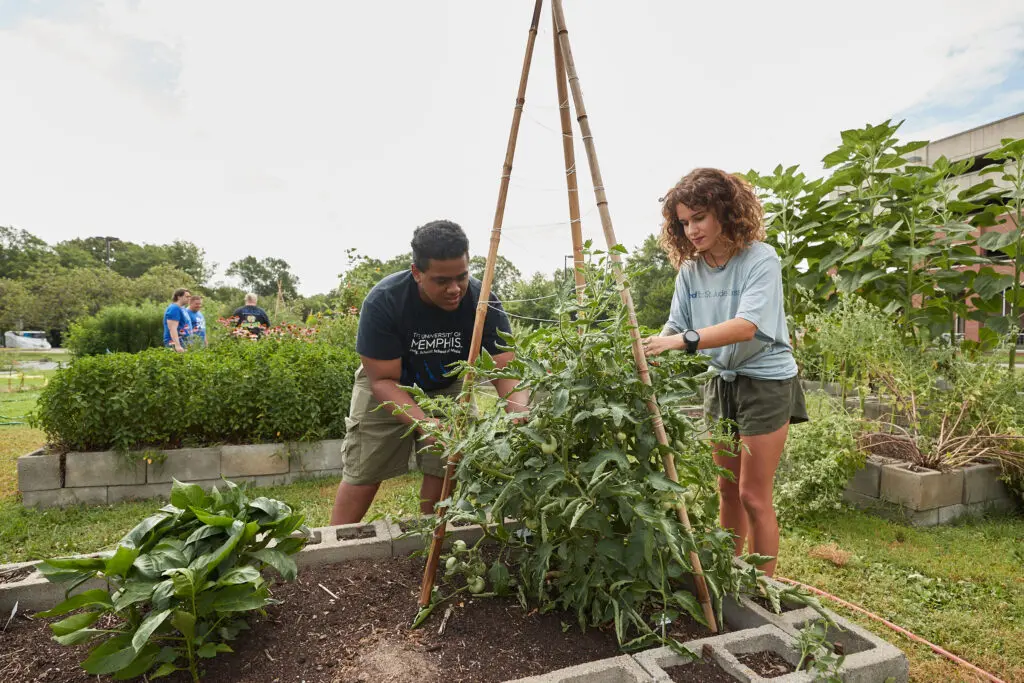
Through hands-on programs, students move beyond classroom theory and into real-world experiences that help shape their professional futures.
“There’s nothing like going and doing something,” Mandel said. “You can see it, how it changes their lives.”
One example is a partnership between the University of Memphis and Ducks Unlimited, the Memphis-based conservation nonprofit. Through the program, students complete coursework in conservation, ecology and habitat management while earning a professional certificate that strengthens their career prospects.
“We teach it as a course, and then they also get the certificate,” Mandel said. “Now they’ve gotten a whole semester of conservation and ecology and habitat management, and then they get the certificate to help them go get a job.”
Experiences like these are often connected to opportunities students first encounter elsewhere on campus.
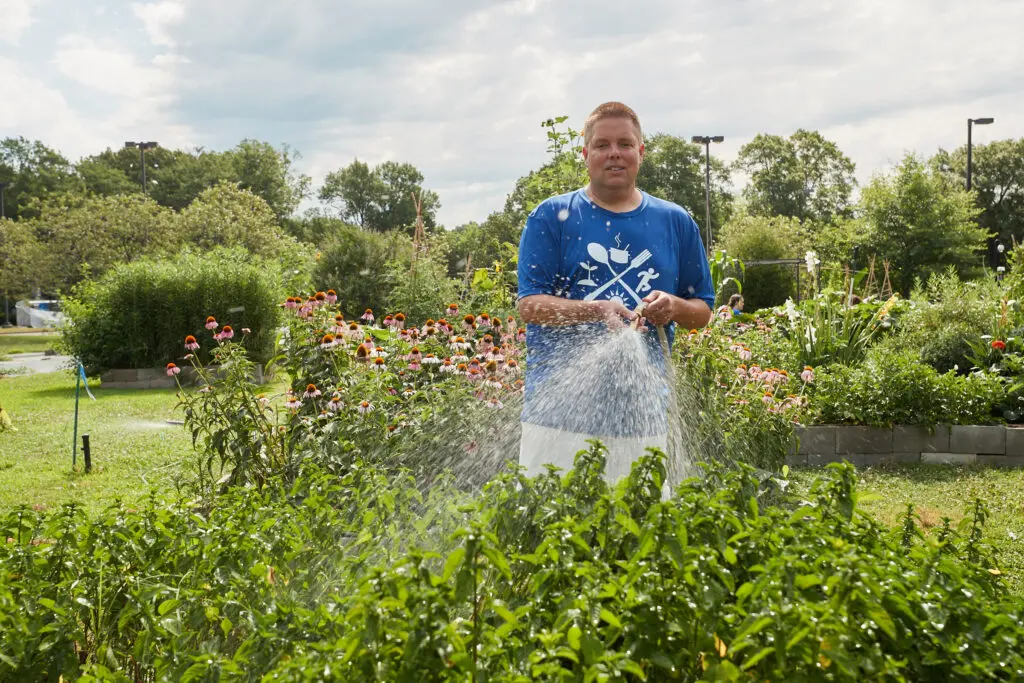
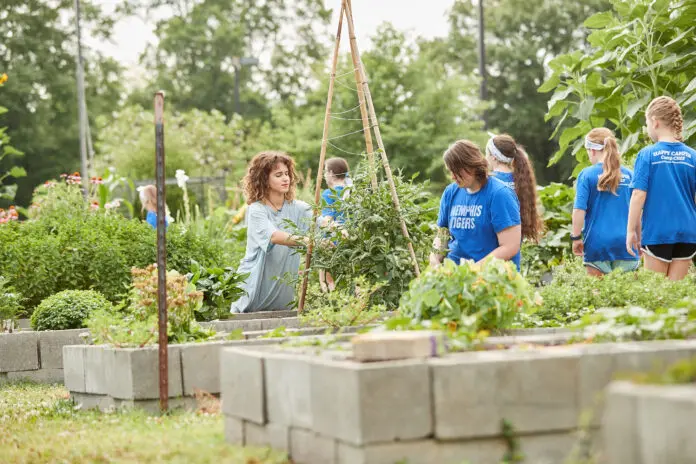
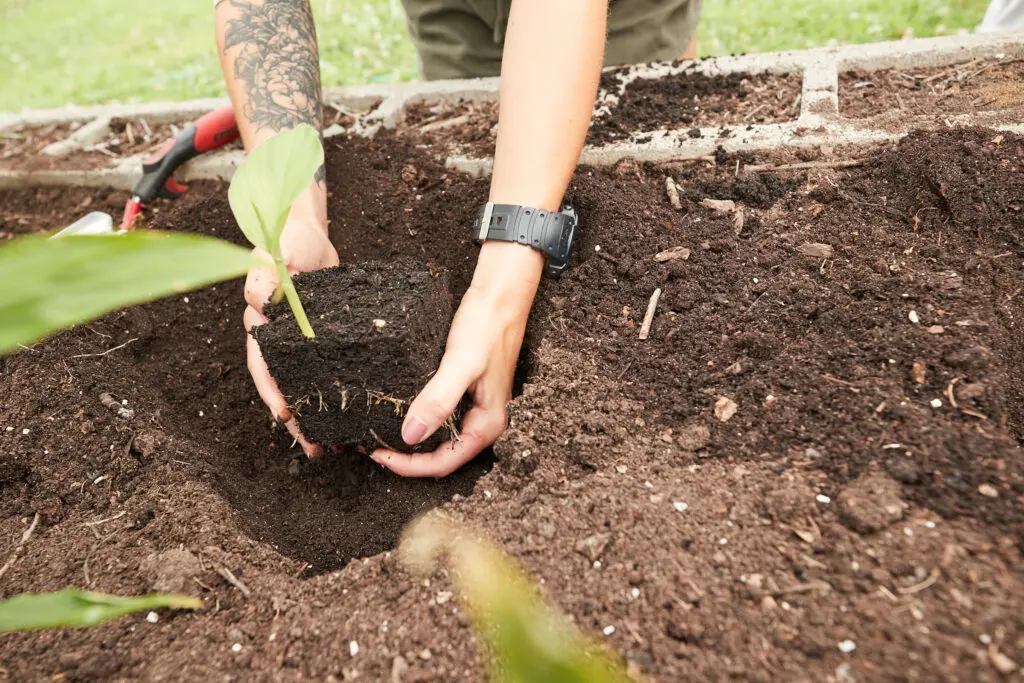
The TIGUrS Urban Garden, for example, introduces students to sustainable growing practices, food systems and environmental stewardship. Those experiences can spark interests that later develop into research projects, internships or careers in conservation.
As student interest grows, university leaders see significant expansion opportunities.
“There are ways to support student internships,” Mandel said, noting that even modest investments can provide students with valuable real-world experience and research opportunities.
Additional support could help expand staffing, research initiatives and sustainability infrastructure while increasing awareness of programs already making an impact across campus. Growth has created both opportunity and challenge.
“If you reference gardening, we are rootbound. We’ve outgrown our pots,” Mayahi said. “It’s time to look at restructuring, which I think is a great problem to have.”
Longtime TIGUrS garden manager Art Johnson sees similar potential.
“We need to grow to get it to a point where it’s a showpiece,” he said. “People can come from anywhere and say, ‘Oh, I never knew that plant grew here,’ and try native plants.”
For campus leaders, the future of sustainability at the University of Memphis is not limited to a single garden, program or research project. It can grow into a connected system that prepares students to lead in conservation, sustainability and environmental stewardship while strengthening the Memphis community.
“There’s a bright future,” Mayahi said. “A lot of moving parts, but all good things.”