


Student Spotlight: Adwoa Adowaa Ofori Atta
When I first arrived in Memphis from Ghana, I didn’t know exactly what to expect.
I had left my family, my community and everything familiar behind to pursue my master’s degree at the University of Memphis. I was excited about the opportunity, and I was nervous, too. I was walking into a different culture, a different academic system and a place where I would have to build a new life from scratch.
There were moments when I missed home and the comfort of having my family nearby. But I also knew why I had come. I wanted to grow, challenge myself and learn how to make a real difference in people’s lives. What I didn’t realize was how much of that education would happen outside the classroom.
My first job at the University of Memphis was at Tiger Den. Later, I worked in Physical Plant–Building Services, alongside the people whose work keeps our campus clean, safe and running. Those jobs might seem far removed from the public administration degree I came here to earn, but they taught me early on that everyone on a campus plays a part in making it work, whether anyone sees it or not.
Today, as president of the Graduate Student Association, I carry that lesson into everything I do. My responsibilities look different now, but the way I think about service started well before I had a leadership title.
The Foundation I Brought From Ghana
Growing up in Ghana, I saw service as part of everyday life. My parents were actively involved in supporting our local community and watching them taught me that helping people usually starts with being willing to show up when someone needs you.
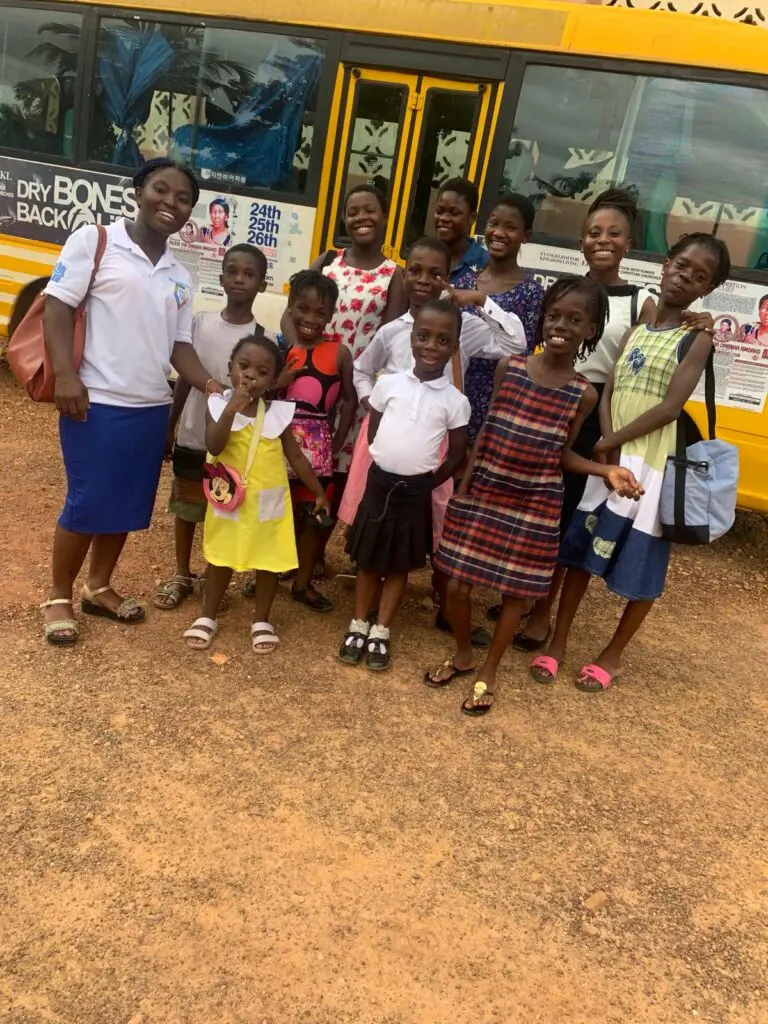
That perspective stayed with me when I began studying sociology at Kwame Nkrumah University of Science and Technology (KNUST).
Sociology opened my eyes to the inequalities people live with and the social conditions that shape their opportunities. I wanted to understand why people struggle, and I kept coming back to the question of what could actually be done to improve their circumstances.
After completing my undergraduate studies, I did my National Service as an administrative assistant in KNUST’s Department of Nursing and Midwifery. That experience helped me connect what I had learned in the classroom with how institutions really operate. My time in Ghana also included entrepreneurship and work in the private sector, which taught me about managing limited resources, adapting to challenges and making decisions that affect others.
Somewhere along the way, I realized that studying social problems wasn’t going to be enough for me. I wanted to help solve them, and that’s what led me toward public administration.
When I started looking at graduate programs in the United States, the University of Memphis stood out because of its emphasis on public leadership, community engagement and practical experience. Its international student community was a big part of the decision, too. I wanted a strong education, and I also needed somewhere I could feel welcome.
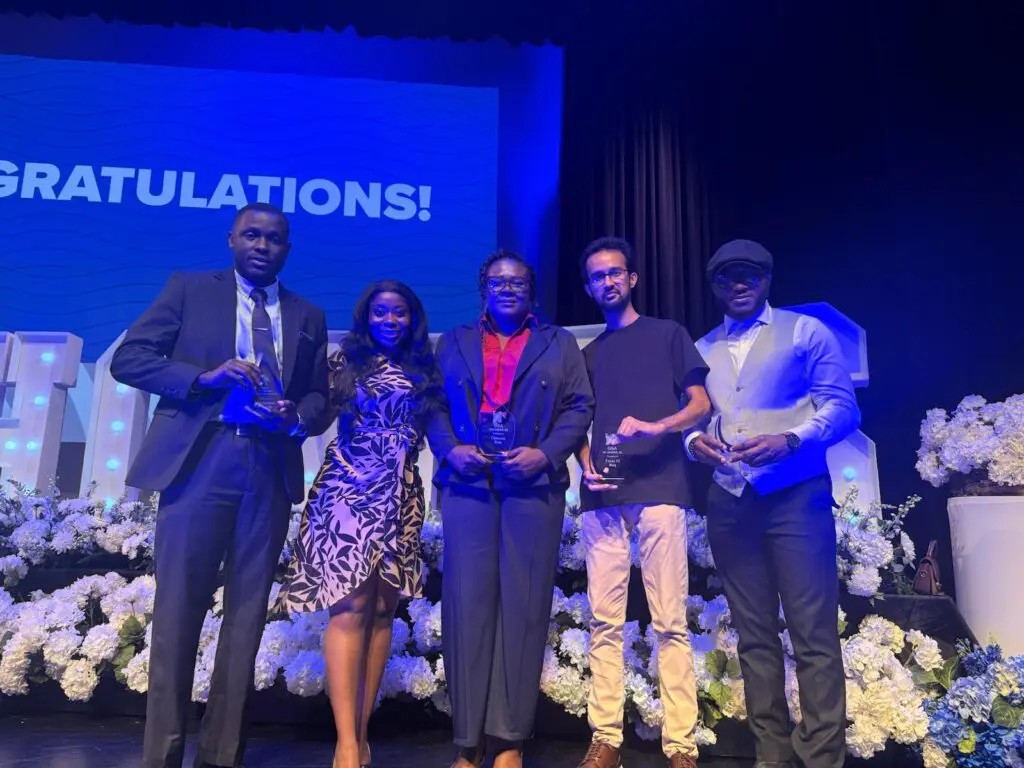
Finding Community by Becoming Part of It
Moving to Memphis challenged me in ways I couldn’t have fully anticipated. I had to adjust to a new environment while figuring out how to balance school, work and life away from home. I missed my family, but little by little I started building relationships that made Memphis feel less unfamiliar.
Working in Dining Services gave me my first chance to interact with students, faculty and staff. Building Services showed me another side of the University and the people whose work isn’t always visible. Eventually, I became a graduate assistant in the Graduate School, where I learned how administrative processes help support students. Each job showed me the University from a different angle.
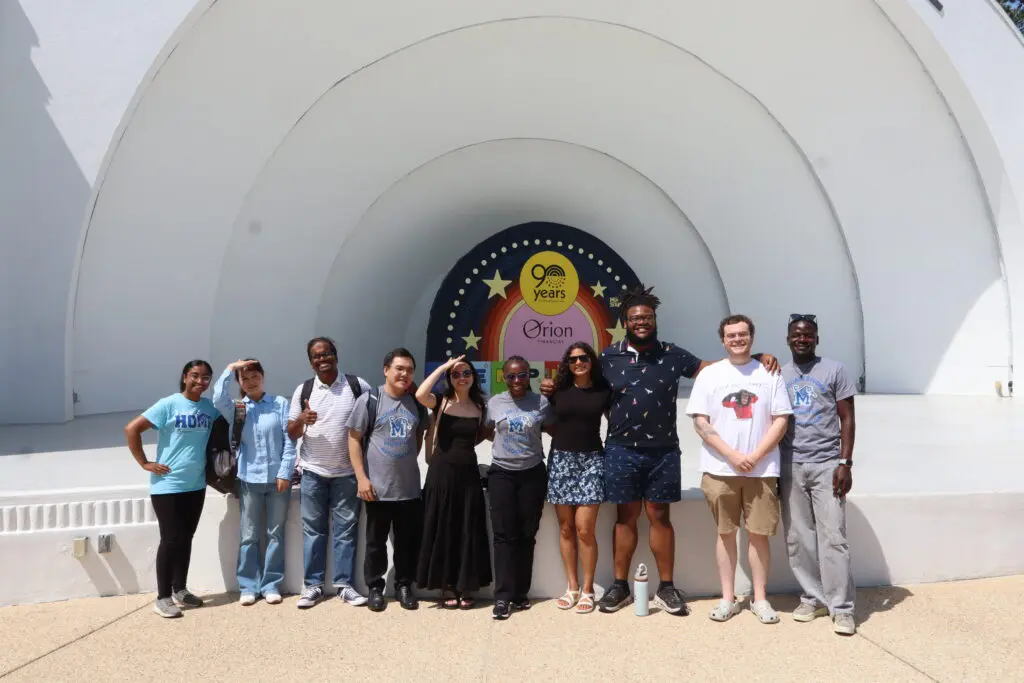
I also started to see that the sense of community I had grown up with in Ghana wasn’t something I had to leave behind. I could build it here through relationships, shared experiences and showing up for other people.
One experience that brought this home was working alongside Ghanaian student leaders whose scholarships were affected by funding delays. They invited me to join their efforts, and I was glad to help. It reminded me how much collective advocacy can do when someone’s education is at risk. I wasn’t the one leading that effort. I was standing beside the people who were, and I was proud to be there.
Learning to Lead by Listening
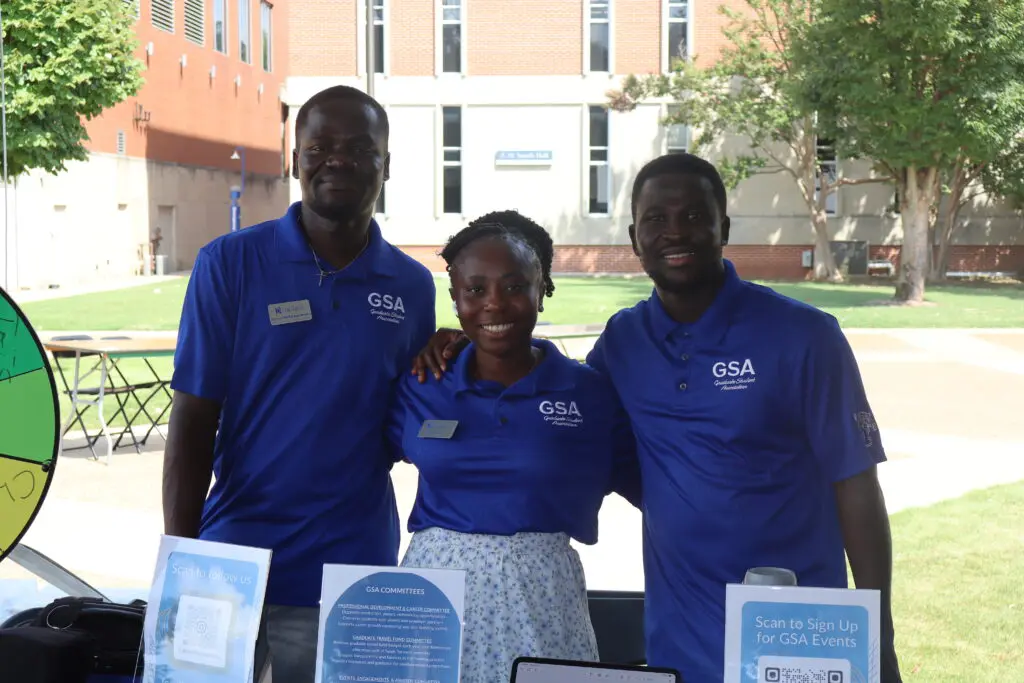
When I decided to run for president of the Graduate Student Association, I thought about what it was like to arrive here as an international student. I knew how much it helped to have people who would listen, point you toward resources and make you feel like you belonged. I wanted other graduate students to have that same support.
Serving as president has taught me that students can share a university and still face very different challenges. Some are worried about finances. Others need academic guidance, professional opportunities or simply stronger connections. I can’t assume that what worked for me will work for everyone, which is why listening has become such a big part of how I lead.
I’m focused on strengthening peer mentorship, student health and well-being, and connections between graduate students, alumni and career opportunities.

As head of the GSA Professional Development and Career Committee, I’m also working with my team on initiatives that connect students with employers, professionals, mentors and career resources. We want students to leave here feeling prepared for whatever comes next.
Most of the time, leading means understanding a problem, bringing people together and being willing to work toward a solution, even when I don’t have every answer. I want students to know they’re being heard, even when the answers aren’t immediate.
Connecting Education to Real Change
One of the most rewarding parts of my time at Memphis has been seeing my academic interests show up in the communities around me.
As a graduate research assistant in the Department of Public and Nonprofit Administration, I’m studying public policy, governance, education and community institutions. My current research focuses on education governance in Memphis and Shelby County, including the merger of Memphis City Schools and Shelby County Schools and the Achievement School District. The work has pushed me to think past why policies are created and toward how they’re implemented and what happens to communities afterward. That link between research and people’s everyday lives is what interests me most.
Now, I’m bringing all of those lessons together. Eventually, I want to pursue a PhD and become a professor, combining teaching and research with public service. I also dream of creating an organization that supports vulnerable communities through education, empowerment, advocacy and access to opportunities. I want it to help people build lasting, sustainable futures for themselves and their families.
I’m still learning what it takes to become the kind of leader who can make that happen. But when I think about the journey from Ghana to Memphis, I can see how much my understanding of service has grown.
I came here hoping to gain an education that would help me make a difference. Along the way, I’ve learned that making a difference usually starts small: listening to someone, understanding what they need and being willing to help.