

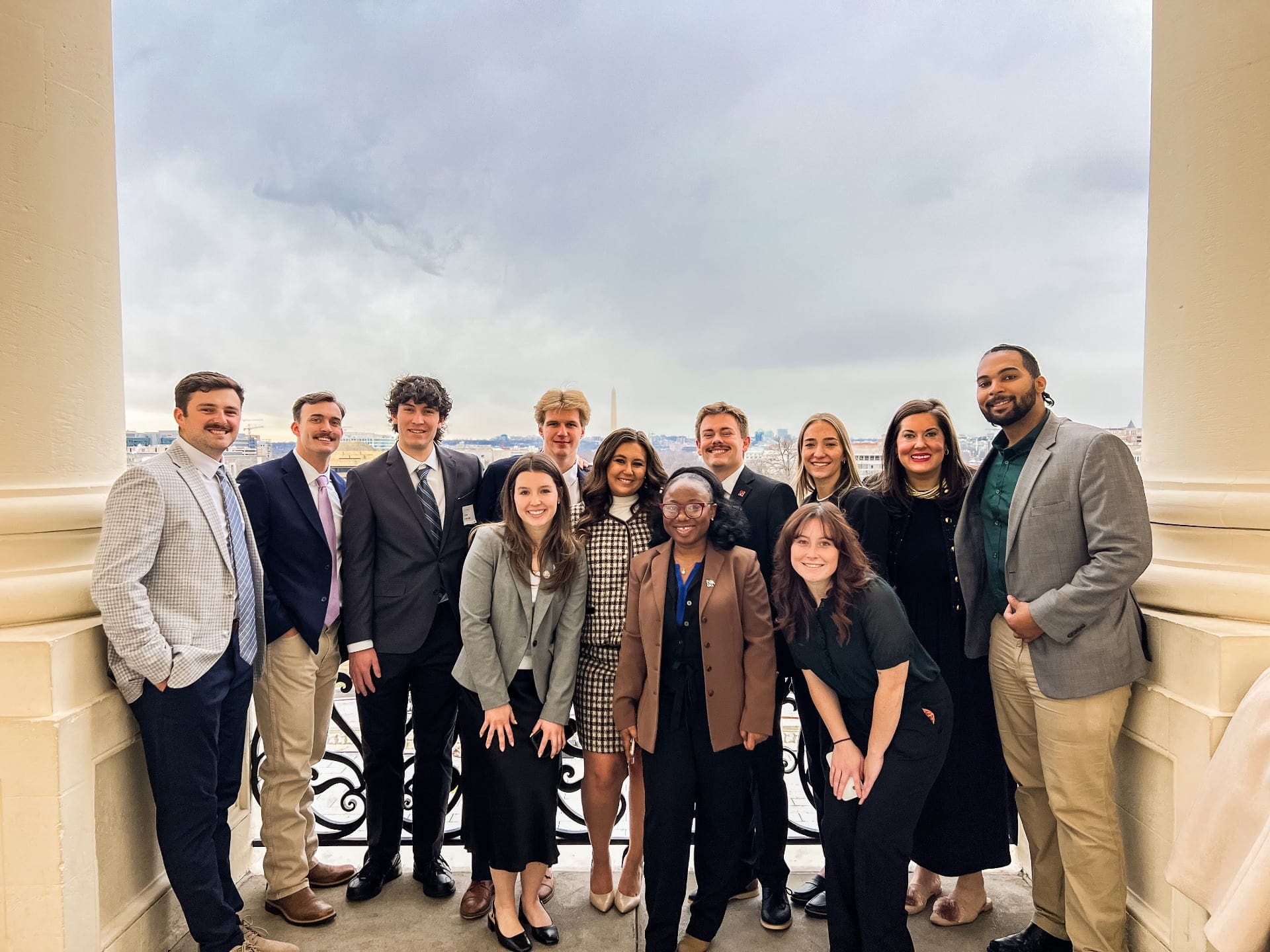
Angela Nana Bosowah Fynn, a doctoral student at the University of Memphis was one of only 25 students nationally selected for the 2026 Ducks Unlimited (DU) Public Policy University Advocates Program where she received the opportunity to advocate for wetland conservation (agricultural) policy at Capitol Hill in Washington, D.C.
“I am so grateful to Ducks Unlimited for opening the door to this side of conservation and for empowering young scientists to have a voice in policy conversations,” Fynn said. “I’m super grateful to my amazing advisor Dr. Shawn Brown for believing in me and encouraging me to be part of this great initiative. This experience has sparked a new passion for science-informed advocacy, and I’m excited to keep working toward a future where strong science and strong policy go hand in hand to protect our wetlands. Truly, anything for the Ducks!”
The program allows student volunteers to engage directly with the DU Public Policy Mission by going on an all-expense paid trip to Washington, D.C. and meet with members of Congress to advocate for policy at state and regional levels. Fynn represented the third cohort of students selected for the program.
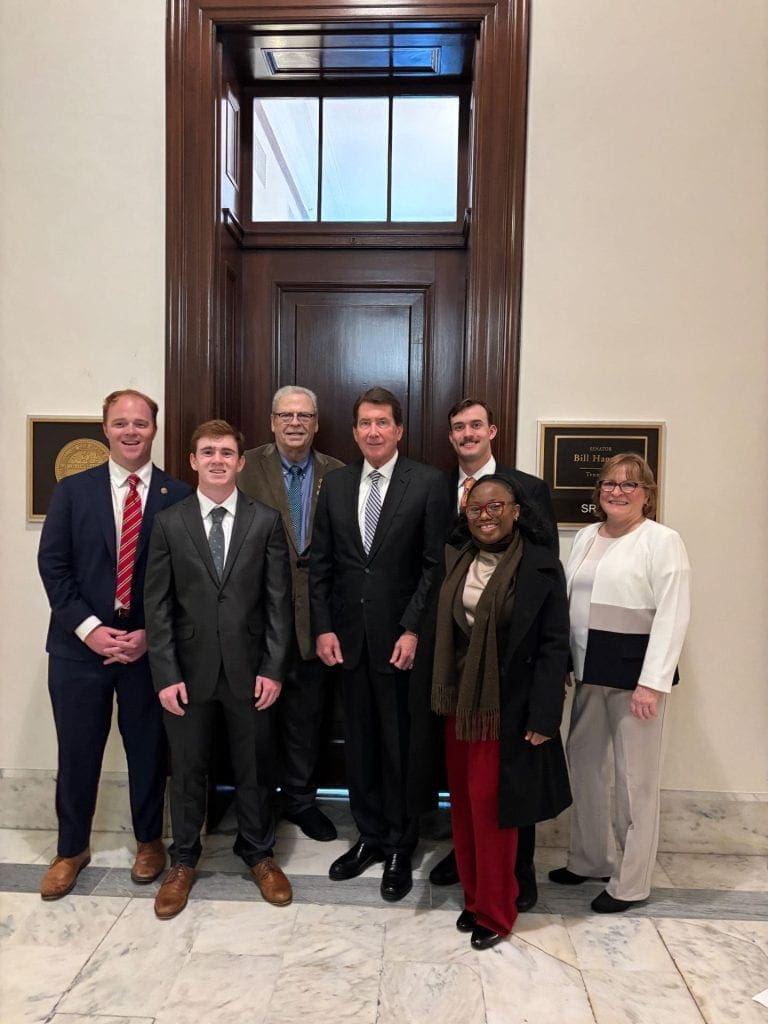
“As a scientist, I found this trip a great opportunity to learn, grow and contribute my quota to conservation efforts,” Fynn said.
“Scientists often struggle with clear scientific communication to those who are not directly in the field and being able to explain how science and conservation policy intersect, particularly to lawmakers was a very important opportunity to hone my communication skills. Science identifies problems — policies fund the solutions and advocacy influences the policymaker’s vote.”
Fynn said she prepared herself for the opportunity by sitting in on the DU certificate course at the UofM just to immerse herself and learn more about waterfowl habitats and conservation programs.
She highlighted several policies that are impactful to the field including the North American Wetlands Conservation Act (NAWCA), the Farm Bill, and the Agricultural Conservation Easement Program (ACEP), and hopes other young scientists get more involved in policy advocacy and conservation efforts.
“So often, our students are disconnected from what we learn in the classroom and how that can impact our daily lives,” said Dr. Shawn Brown, associate professor in the Department of Biological Sciences. “Opportunities like these reinforce that knowledge and policy are so connected and it is important that they understand both. These opportunities not only allow these connections but give students insight into how their education can serve them long after they are done at the University of Memphis by being agents for change.”
A native of Ghana, Fynn has been at the University since 2024.
“I feel very much at home and happy because the school is very keen on supporting students,” she said. “There are so many events for a student’s benefit, especially with the graduate school, where we are consistently helped with improving our resume/CVs and tips for dissertation writing. Every week, I get to learn something new at the UofM that inspires me to do more. Our department makes us feel like we can be and do anything and even when you are scared, they will always guide, adequately prepare and encourage you.”
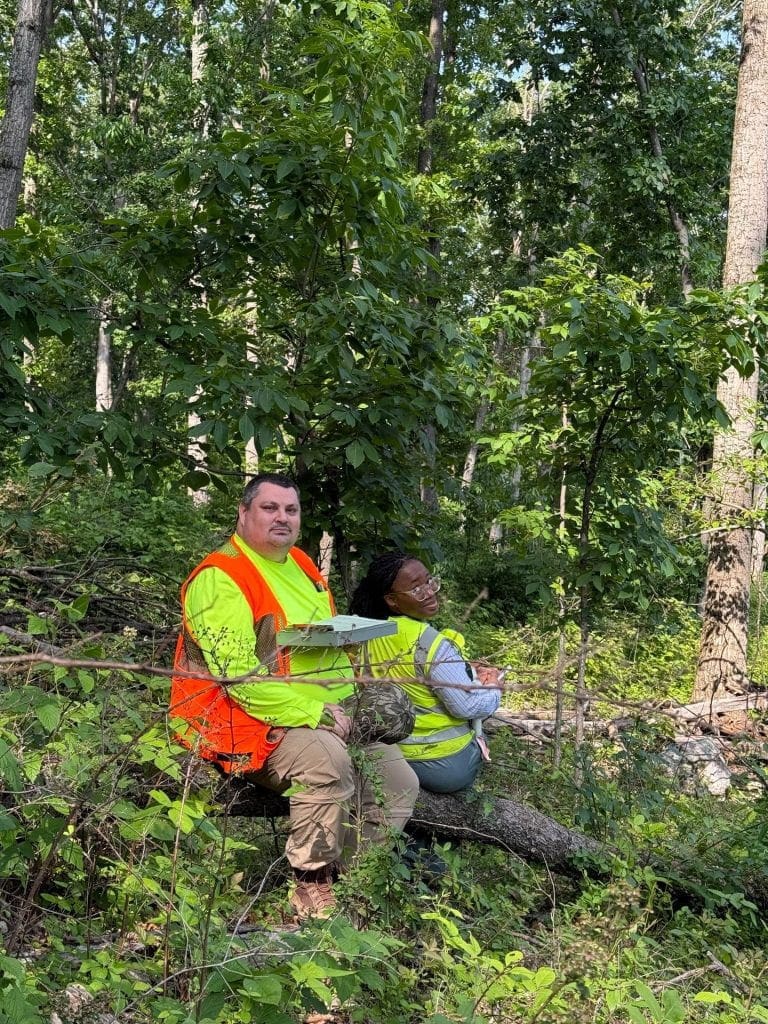
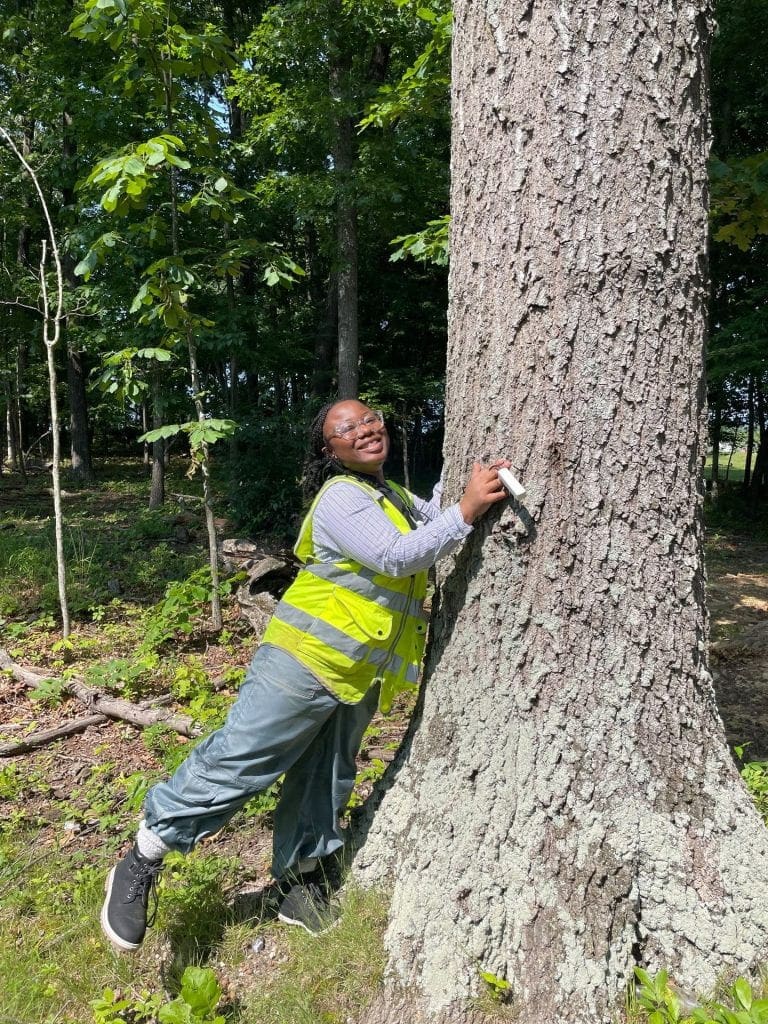
Outside of traveling to D.C., Fynn holds a master’s in microbiology, and has had the opportunity to travel to North Carolina, Alabama, Kentucky, Virginia and throughout Tennessee doing research and studying the impact of bio stimulants, pathogens and microbes, especially fungi.
She hopes her research can uncover biological pest control methods in agriculture to tackle farmers’ dependency on pesticides. In addition, she is doing work to combat the decline of the American white oak — a foundation wood used for barrels in American whiskey and wine production and is known for its strength and longevity in furniture pieces — by monitoring pathogens at their restoration sites to promote the right conditions necessary for seedlings to survive.
“Angela is embracing her degree and learning all she can, not only from the research side, but how her work can inform policy and benefit conservation and agriculture as a whole,” Brown said.
Fynn said, “Science alone does not persuade, but impact does.”